Dunellen General Contractor Offering Complete Construction Solutions
Why Picking the Best General Contractor Is Crucial for Your Project
Picking the right general contractor is a pivotal decision that can substantially affect a project's success. A suitable contractor provides efficient management and conformance to budgets. Their skill to navigate difficulties and maintain open communication is critical. However, many project owners overlook vital factors in this selection process. Understanding these elements can lead in superior achievements and increased pleasure. What should one examine when taking this major choice?
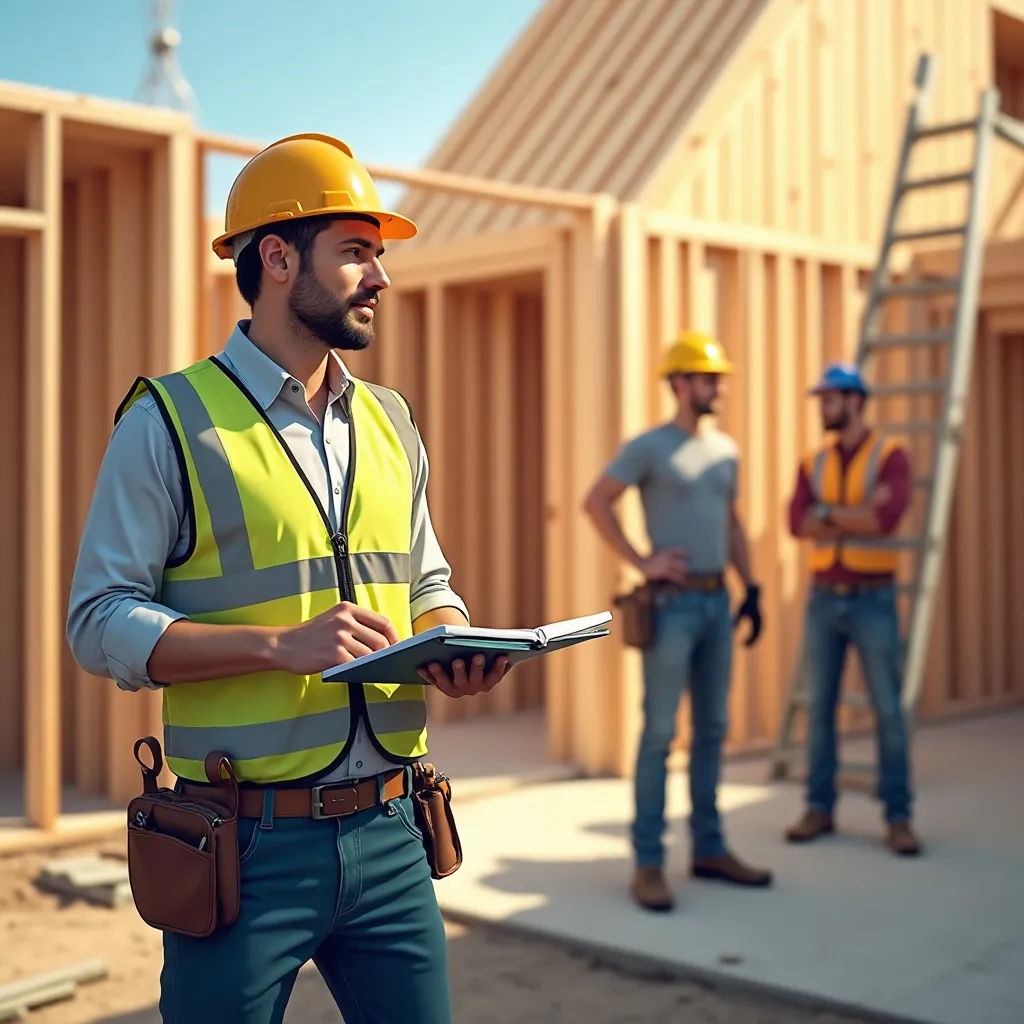
Frequent Complications in Selecting a General Contractor
When picking a general contractor, potential clients often face several common difficulties that can complicate the selection process. One significant hurdle is the overwhelming number of options available, which can result in uncertainty and hesitation. Clients may find it hard to distinguish among contractors based on credentials, background, and cost, making it difficult to determine who will best satisfy their construction requirements.
Another obstacle is the lack of transparency in contractor bids, where hidden costs may surface subsequently, affecting the project budget. Additionally, clients may face issues related to interaction; some contractors may fail to maintain client communication throughout the process, creating dissatisfaction. Finally, clients often struggle with verifying a contractor's references and past work, which can lead to uncertainty about the level of service quality anticipated. These obstacles require thorough deliberation and research to guarantee the right choice is made.
The Significance of a Trusted General Contractor
A reliable general contractor plays an crucial role in ensuring project management productivity and maintaining quality assurance standards. Their expertise helps streamline processes, minimizing delays and costs. Additionally, a trustworthy contractor upholds excellence, resulting in excellent workmanship and client contentment.
Enhance Task Organization Efficiency
Effective project oversight copyrights on the reliability of a general contractor. A trustworthy contractor ensures that deadlines are adhered to, resources are allocated efficiently, and communication flows seamlessly among all stakeholders. Their ability to coordinate subcontractors, suppliers, and laborers directly impacts the advancement and ultimate success of the project. A dependable contractor foresees problems, acts quickly to resolve them, and stays focused on the objectives, minimizing setbacks and budget excesses. This efficiency fosters a collaborative environment, allowing for adjustments and improvements as needed. Ultimately, the general contractor's reliability enhances not only the operational aspects of the project but also the confidence among clients and team members, ensuring all parties stay aligned towards a favorable result.
Quality Assurance Criteria
Dependable builders play a key role in ensuring quality control during the entire project. They make sure that every task meets established guidelines and industry protocols, which is essential to the durability and safety of the structure. A competent contractor holds strict oversight over materials and workmanship, conducting regular inspections professional advice to find and resolve problems quickly. This proactive approach reduces risks linked to inferior construction, ultimately safeguarding the investment. Furthermore, a reliable contractor encourages communication among all stakeholders, guaranteeing clear and fulfilled expectations. By focusing on quality assurance, a skilled general contractor not only improves the end product but also builds trust with clients, laying the groundwork for successful project results.
Assessing a Builder's Expertise and Reputation
When assessing a general construction professional, understanding their track record and reputation is crucial, as these elements significantly affect project results. A contractor's expertise generally demonstrates their capacity to handle different kinds of projects, intricacies, and challenges. Examining their collection of work delivers insight into past projects, showcasing skill and meticulous attention to detail.
Additionally, credibility plays a vital factor in forming trust. Prospective clients should seek online reviews, testimonials, and references to measure satisfaction levels from previous clients. Interacting with past customers can demonstrate the contractor's reliability, communication skills, and adherence to timelines and budgets.
Furthermore, sector associations and accreditations can bolster a contractor's standing, indicating a commitment to superior standards and responsible practices. By meticulously examining both experience and reputation, clients can make informed decisions, at last establishing the foundation for a victorious construction project.
Important Traits of a Honest Contractor
A dependable contractor consistently demonstrates integrity, openness, and excellent interpersonal abilities. These essential qualities form the foundation of a successful working relationship. Honesty guarantees the contractor adheres to ethical practices, offering truthful evaluations and practical schedules. Openness involves openly sharing assignment information, including costs and potential challenges, building trust between the contractor and the customer.
Strong communication skills allow the contractor to communicate ideas effectively, listen to client preferences, and address any concerns that occur during the project. Additionally, a reliable contractor showcases flexibility, adjusting to shifts and unforeseen circumstances with composure and flexibility. Attention to detail is a further key trait; it reflects a commitment to excellence and accuracy in every aspect of the work. All things considered, these characteristics not only improve project outcomes but also contribute to a positive interaction for clients, making the selection of a dependable contractor all the more critical.
Important Questions for Bringing On Your General Contractor?
What approach can one take to guarantee they select the best general contractor for their project? By posing a collection of targeted questions, potential clients can more effectively evaluate candidates. First, inquiring about the contractor's experience with similar projects provides insight into their expertise. It's also essential to request for references; conversing with previous clients can uncover the contractor's dependability and quality of work.
Then, checking licensing and insurance confirms that the contractor meets legal obligations and shields the client from conceivable liabilities. Clients must also inquire about timelines and project management tactics to assess how the contractor will manage the project efficiently.
Budget talks are crucial; requesting a detailed quote helps avoid surprise costs later. Finally, understanding the contractor's preferred way of communicating can set the groundwork for a successful partnership. By tackling these key questions, clients can choose wisely in selecting their general contractor.
The Importance of Interaction With Your Contractor
Effective communication with a contractor is crucial for work achievement. Establishing clear requirements and providing timely information can avoid misunderstandings that often lead to costly setbacks. Additionally, promoting an open dialogue builds trust, guaranteeing a smoother partnership throughout the construction process.
Explicit Parameters Ensure Success
Establishing explicit expectations is crucial for a effective partnership with a general contractor. Effective communication forms the basis of understanding project goals, timelines, and budget constraints. When both parties articulate their needs and concerns, it reduces the risk of misunderstandings that can derail progress. A contractor who is aware of the specific requirements can allocate resources efficiently and address potential challenges proactively. In addition, clear expectations fosters accountability, ensuring that the contractor delivers on promises and that the homeowner feels involved in the process. By prioritizing open dialogue from the outset, clients can improve cooperation and satisfaction, ultimately leading to a more efficient project execution. Clear expectations not only streamline operations but also build trust between the homeowner and the contractor.
Opportune Notifications Prevent Misunderstandings
Defining clear expectations establishes the groundwork for cooperative success, while steady communication is equally vital. Frequent communication from a construction professional can prevent miscommunication that may arise during a undertaking. As contractors regularly communicate progress reports, customers keep informed of project schedules, financial adjustments, and anticipated roadblocks. This proactive communication helps to harmonize each party's goals and lowers the possibility of conflicts in the future. Similarly, if issues develop, immediate communication allows for quicker problem-solving, maintaining the work on track. Through fostering a culture of open communication, contractors demonstrate their dedication to the project's success, finally leading to a better-organized workflow and superior client contentment. Consequently, prompt updates function as a cornerstone for maintaining transparency and trust within the construction process.
Open Conversation Builds Trust
As a project unfolds, maintaining an open dialogue with the primary contractor becomes crucial for encouraging belief and joint effort. Direct communication guarantees that all parties have a clear understanding of objectives, timelines, and potential challenges. When contractors and clients engage in regular discussions, it allows for the identification of issues before they grow worse, minimizing problems. This transparency not only builds certainty but also enhances the overall building experience. Likewise, an two-way communication system welcomes feedback, equipping the contractor to make corrections that align with the client's expectations. In conclusion, effective interaction grounds a structure of shared esteem, which is key for the successful completion of any construction project. Confidence fostered through exchange leads to better outcomes for everyone involved.
Popular Asked Questions
How can I confirm if a Contractor possesses a License?
To confirm if a contractor is duly licensed, one should inspect local licensing boards or websites, validate their license number, and ensure it's active. Additionally, examining online reviews can provide awareness of their professional standing and consistency.
What Insurance Should My Contractor Obtain?
A builder should carry broad coverage protection, workers' compensation, and, if relevant, errors and omissions coverage. These cover possible harm, workplace injuries, and errors in workmanship, ensuring monetary safeguards for both the contractor and the client.
What's the Most Effective Way to Review a Construction Professional's Track Record?
To confirm a contractor's references, one should demand a roster of past patrons, connect with them directly, and explore their experiences. Also, analyzing internet ratings and feedback can reveal pertinent details into the contractor's dependability.
What Should I Take if Difficulties Develop During the Assignment?
If challenges occur during the project, one should document the problems, communicate directly with the contractor, and seek a resolution. If needed, bringing in a neutral third party or consulting a legal professional may also be advisable.
What Red Flags Should You Observe During the Hiring Process?
Warning signs in the recruitment phase include vague estimates, missing credentials, poor communication, incomplete licenses, and negative online reviews. These indicators point to potential issues that could impact the quality and schedule of the project.